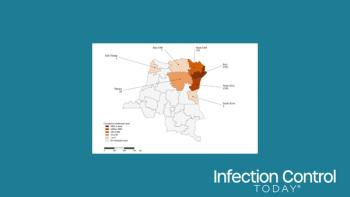
High contact follow-up rates suggest progress, but who is being missed? Inside the DRC’s Ebola response, shortages, strained treatment centers, and gaps in community trust reveal a more complicated story.
The global hospital supplies market is forecast to exceed $37 billion by 2016, according to a new report, "Hospital Supplies Market to 2016 - Disposable Hospital Supplies and Syringes and Needles to be the Fastest Growing Market Categories," from Research and Markets.
The report provides market landscape, competitive landscape and market trends information on five hospital supplies market categories: disposable hospital supplies, patient examination devices, mobility aids and transportation equipment, sterilization and disinfectant equipment, and syringes and needles. The report provides comprehensive information on the key trends affecting these categories, and key analytical content on the market dynamics. The report also reviews the competitive landscape and a detailed analysis of the pipeline products in each category. The report also reviews details about important merger and acquisition deals that have taken place in the hospital supplies market during the past three years. This report is built using data and information sourced from proprietary databases, primary and secondary research and in-house analysis by a team of industry experts.
The global hospital supplies market is forecast to exceed $37 billion by 2016 and is expected to grow with a CAGR of 11 percent during the period of 2009 to 2016. The market is expected to be driven by an increasing percentage of elderly people in the population across the globe and an increased awareness about the importance of controlling healthcare-acquired infections (HAIs). With the elderly population increasing and their active living years also being extended, there will be an increase in hospitalizations and the number of procedures carried out, which will increase the demand for hospital supplies, the resport says.
Disposable hospital supplies and syringes and needles have been the key revenue generators in the global hospital supplies market in the year 2009. Disposable hospital supplies was the largest category contributing about 44 percent of the total revenues and was worth $7.7 billion in 2009 and is forecast to grow at a CAGR of 13 percent to reach $18.2 billion in 2016. Syringes and needles was the second largest category and accounted for 25 percent of the total hospital supplies market and was worth $4.4 billion in 2009.