


Sterile Processing
Latest News
Advertisement
Latest Videos




Shorts



Advertisement
More News
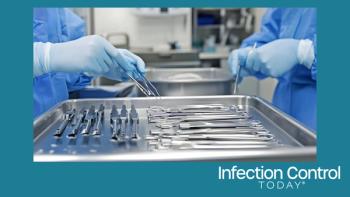
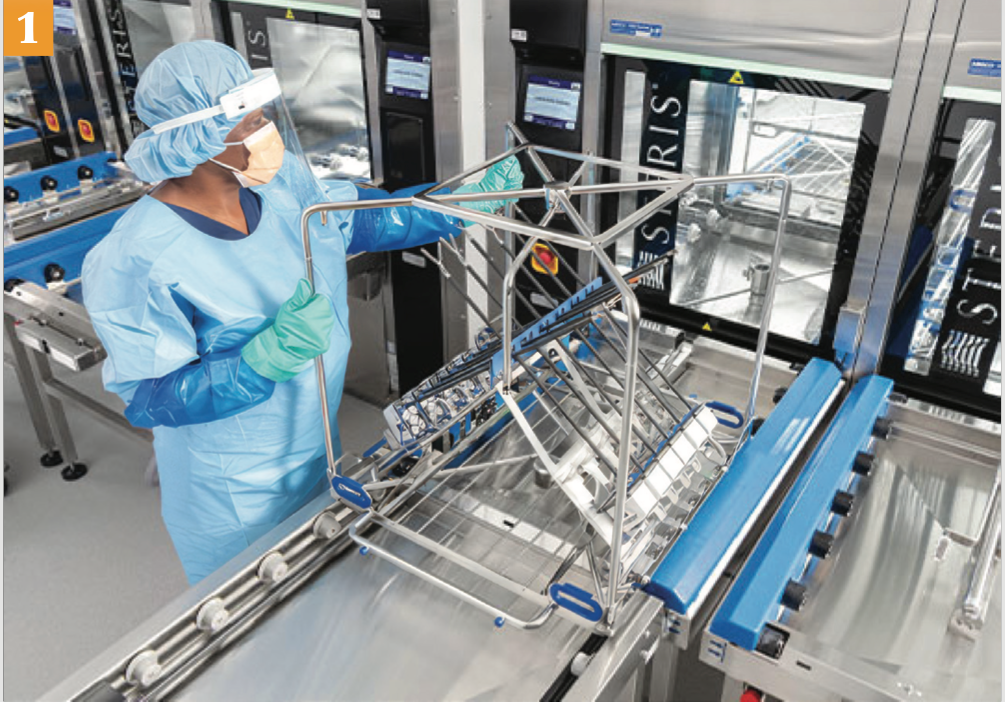
Sterile Processing Under Pressure: What Penn State Health’s Instrument Sterilization Crisis Reveals About Patient Safety Risks
Published: | Updated:
Sterile processing departments are often called the invisible backbone of surgical care, but a recent investigation involving Penn State Health and Milton S. Hershey Medical Center highlights what can happen when those systems come under pressure. Reports of contaminated instrument trays, sterilization backlogs, staffing strain, and communication breakdowns are raising broader questions about patient safety, infection prevention infrastructure, and operational priorities across health care. ***Updated with an answer from Penn State Health.
A case study presented at HSPA 2026 revealed how 2 VA facilities overcame persistent bacteria, conductivity, and biofilm issues in sterile processing water systems through recirculation, system mapping, and multidisciplinary collaboration.
Research presented at HSPA 2026 shows multiple endoscope cleaning methods achieve similar outcomes, but pump-assisted and enhanced approaches reduce staff fatigue, injury risk, and missed steps, highlighting the importance of human factors in infection prevention.

At AORN 2026, Colleen Becker, PhD, MSN, RN, CCRN-K, highlights how nursing education must evolve with technology, generational learning styles, and workforce shortages to better prepare nurses for modern health care challenges.
At AORN 2026 in New Orleans, a colorectal SSI bundle shows how standardized intraoperative nursing practices, interdisciplinary collaboration, and data tracking can reduce infections and improve surgical outcomes.
At AORN26 in New Orleans, a poster highlights surgical smoke risks, urging nationwide evacuation policies to protect health care workers and patients and strengthen nurse-led advocacy for safer operating rooms.
AORN26 highlights a colorectal SSI prevention bundle using evidence-based isolation techniques, interdisciplinary collaboration, and audit tracking to improve compliance and reduce infection risk in perioperative practice.
AORN26 highlights a multidisciplinary, culture-driven approach that reduced colon surgical site infections by over 27%, demonstrating how standardized bundles, collaboration, and perioperative alignment can significantly improve patient outcomes.
AORN26 highlights how using the teach-back method during PACU discharge education improved patient understanding and reduced surgical site infections, demonstrating the critical role of communication in infection prevention beyond the OR.
AORN26 highlights how collaboration between the operating room and sterile processing department (SPD) reduced instrument contamination, minimized case delays, and improved patient safety, reinforcing the critical role of SPD partnerships in perioperative infection prevention.
AORN26 highlights a hands-on Scrub Bootcamp program that improves perioperative nurse readiness, confidence, and procedural skills, offering a scalable model to strengthen operating room training and patient safety.

The 2026 HSPA Annual Conference offers sterile processing professionals education, networking, and real-world insights, with leaders like Leslie Kronstedt highlighting challenges, mentorship, and opportunities across health care settings.

The cohosts of Contagious Conversation speak with Tori Whitacre Martonicz, lead editor of Infection Control Today, about her presentation at the SoCal SPA Spring Conference, and how the conference speakers emphasized leadership beyond titles, urging SPD professionals to share knowledge, speak up, and turn everyday insights into safer patient care practices.
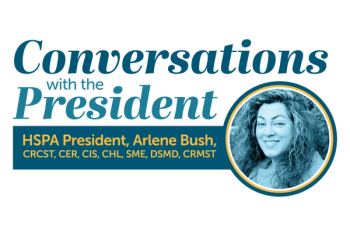
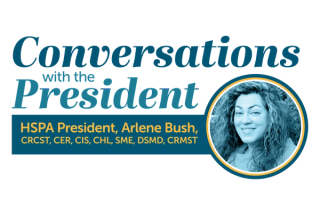
HSPA President Arlene Bush, CRCST, CER, CIS, CHL, SME, DSMD, CRMST, discusses certification advocacy, Capitol Hill efforts, workforce challenges, and why sterile processing is essential to patient safety, urging leaders to recognize and support the professionals behind every successful surgical outcome.


AI and agentic systems are transforming infection prevention by enabling real-time surveillance, predictive risk modeling, and earlier intervention, shifting health care from reactive response to proactive prevention and improving patient safety outcomes.

A former infection prevention professional shares his battle with MRSA and sepsis, revealing the lasting impact of health care–associated infections and why vigilance, accountability, and patient advocacy matter more than ever.
A new human factors study reveals the hidden complexity behind sterile processing. Research from the Medical University of South Carolina shows how sterile processing, operating rooms, and courier networks function as one interconnected system. Understanding “work as done” rather than “work as imagined” may be key to improving surgical safety and supporting frontline staff.

Dental assistants manage sterilization, infection control, and patient education—yet most states require zero formal training. They earn the lowest wages in dental offices. Meet Sherrie Busby's 42-year mission to secure standardized credentialing and fair recognition. (Audio podcast)
Dental assistants help bridge communication gaps between dentists and patients. Experts say patient education, follow-up conversations, and modern diagnostic tools are essential for helping individuals understand treatment recommendations and make informed oral health decisions.
Dental Assistants Recognition Week spotlights the critical role dental assistants play in infection prevention, patient safety, and instrument sterilization. From PPE adherence to surface disinfection and patient education, these professionals manage complex clinical and administrative tasks that protect both patients and dental teams in high-risk aerosol-generating environments. (Entire interview)
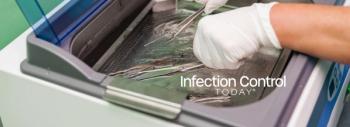
When sterile instruments look perfect but hidden soil remains, patient safety is at risk. In this in-depth ICT article, Marjorie Wall, EDBA, CRCST, CIS, CHL, CSSBB, explains why ultrasonic cleaning is not just equipment, but a critical quality system, and how failures in cavitation, lumen flushing, or water quality can quietly undermine infection prevention in the operating room and sterile processing department.
Advertisement
Advertisement
Trending on Infection Control Today
1
How to Teach Staff to Think Like an Infection Control Preventionist
2
Presented at APIC 2026, Whole Genome Sequencing Helps Investigators Trace Pseudo-Outbreak to Contaminated Ultrasound Gel
3
Can Virtual Competencies Replace Hands-On Training? APIC 2026 Study Links In-Person Education to Major CAUTI Reduction
4