|Articles|October 18, 2011

Graham Medical Introduces Inhibx Antimicrobial Pediatric Products

Graham Medical, a manufacturer and marketer of products for the healthcare industry, has introduced a pediatric line of its successful InhibX antimicrobial-treated paper products. The pediatric-sized table paper and gowns, printed with the germ-fighting superhero Captain InhibX and treated with an antimicrobial agent, provide an added layer of protection against cross-contamination in pediatricians offices.

"We are pleased to extend our successful InhibX antimicrobial products to include the care of children," says Brian Segrin, vice president and general manager of Graham Medical. "The InhibX products not only help resist cross-contamination, but the child-friendly Captain InhibX design also reinforces to parents that the pediatricians office is taking every precaution to protect their patients from germs."

The pediatric table paper and gowns feature a free set of Captain InhibX temporary tattoos in every case for a limited time, providing another opportunity for caregivers to reinforce other germ-prevention techniques with kids like proper handwashing. The products are the latest iteration of Graham Medicals successful InhibX line of antimicrobial paper products that include adult-sized table paper, towels, drapes and gowns.



Related to this article

A brightly lit Hospital operating room, a surgical team wearing gowns and masks.  (Adobe Stock 1790696595 by Damian)
Turnover pressure can leave critical OR cleaning steps unfinished. Karen deKay, MSN, RN, EBP-C, CNOR, CIC, FAPIC, examines common gaps in environmental hygiene and how shared responsibilities, attention to disinfectant contact time, and ongoing education can help teams strengthen practices between cases.
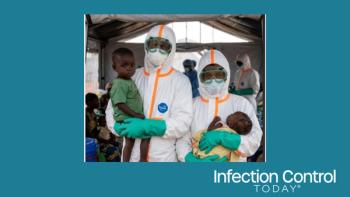
Infection preventionists in full PPE with children in DRC.  (Image credit: author with AI)
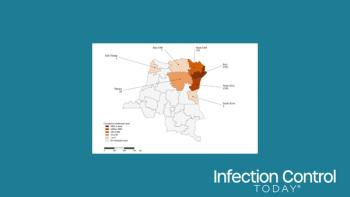
Nearly 4 months into the DRC's Bundibugyo virus disease outbreak, some indicators suggest transmission may be slowing. But shifting hotspots, treatment-center capacity problems, community deaths, and incomplete surveillance data show why national case totals alone cannot determine whether containment has been achieved.
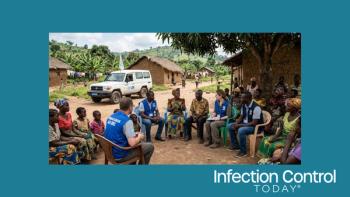
Health care workers from the US speaking with other health care workers in DRC.  (Image credit: author with AI)
Is the Ebola outbreak in the DRC getting better? The answer depends on which numbers you examine. Several important indicators are moving in the right direction, including slower case growth and a declining Rₜ. But major gaps remain in contact tracing, testing, community deaths, safe burial coverage, and treatment capacity in some of the hardest-hit areas. ICT takes a deeper look at the latest outbreak data and why the numbers suggest cautious optimism, not victory.