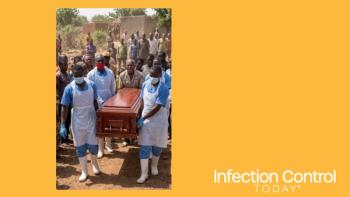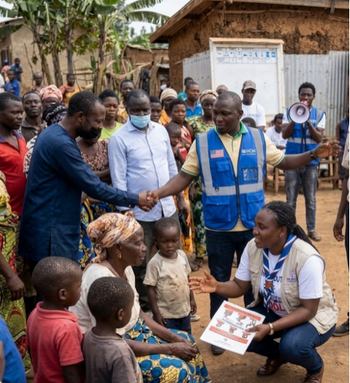
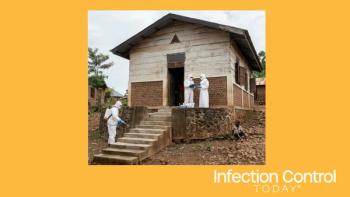
Six months into the DRC’s Ebola outbreak, violence, unpaid wages, and community resistance continue to disrupt care and contact tracing. This commentary examines the human cost and the work needed to reach affected communities.
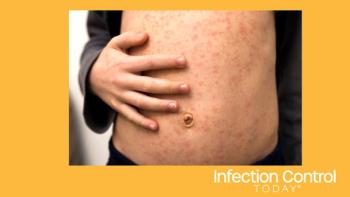
Willingness to vaccinate can stall at the appointment stage. This Q&A explores how local data, community partnerships, and easier access can help close measles vaccination gaps and track equitable progress.
A parent’s decision to vaccinate a child can be followed by a series of practical hurdles, from finding an appointment to arranging transportation and time away from work. Understanding where families encounter those hurdles can help health systems address missed measles vaccinations.
In this Q&A with Infection Control Today® (ICT®), Leela Nageswaran, PhD, of the University of Washington’s Foster School of Business, explores how access, trust, and individual preferences shape vaccination decisions. She discusses what community averages can conceal and how infection preventionists can help identify missed doses, guide outreach, and measure progress across populations.
ICT: When a community has low measles vaccination coverage, how can researchers distinguish among vaccine hesitancy, practical access barriers, and gaps in routine care?
Leela Nageswaran, PhD: Several factors contribute to vaccination coverage for any disease. Broadly, one can think of individual personal beliefs as the first layer. The next layer consists of accurate information about vaccine safety and guidance from credible, trusted sources, followed by availability and accessibility. With the ongoing measles vaccination crisis, these frictions have had a compounding effect, as trust in health care has plummeted since the pandemic, amid proposals to split a combined vaccine into individual shots and mixed signals from multiple sources on what to do.
Mathematical models can help shed light on the most important factors and the extent to which they influence individual decisions. Comparing stated intent with completion rates, while measuring availability and wait times, allows researchers to separate hesitancy from barriers. At the end of the day, individuals decline vaccination significantly more often when they make decisions under uncertainty and with access frictions.
ICT: What can county or state vaccination averages obscure about vulnerability within individual communities, and what information would provide a more useful picture?
LN: Community immunity protects people who are not vaccinated, and it erodes rapidly when coverage falls. With measles in particular, 6 to 12-month-olds are most vulnerable as the immunity passed on from the mother has waned, and the first dose is typically given at 12-15 months. Infants vaccinated earlier than the current first dose (eg, for travel) still need the 2 existing doses to be fully protected.
Measles is unlike a lot of other diseases, both in severity and in contagiousness, which is why
Another important piece of this puzzle is that the rate of new infections typically grows with the total number of infectious individuals and the total number of susceptible, unvaccinated individuals in the community. In other words, the important message should be that we as a community protect others through our own immunity.
Overall averages can also be the wrong metric to track for policymakers since a low number of cases in a tightly contained pocket has the potential to seed wider outbreaks for a disease like measles. It is also important to track current infectious cases, alongside geographical incidence rates and the movement of recently infected individuals, to paint the full picture.
ICT: How do work schedules, transportation, childcare, and the process of making an appointment influence whether someone who intends to vaccinate follows through?
LN: Individuals face several obstacles when getting vaccines, especially childhood vaccines (travel time, childcare, missed work, potential side effects, etc). Separating the combined MMR vaccine into individual shots then does the opposite of what it intends to do, as it requires so many more visits and jabs.
Moreover, the availability of each dose for each (now separate) disease would need to be determined and maintained at similarly high levels, a Herculean task for manufacturers navigating new supply lines and demand uncertainty. During the initial COVID-19 vaccine rollout, we saw the real consequences of frictions in vaccination, such as
ICT: How do social networks and experiences with the health care system shape vaccine-seeking behavior, and what does that mean for efforts to address misinformation?
LN: Health care systems should actively engage in trust-building and grassroots efforts. They should clearly explain how dosage, efficacy, and composition are determined in general, and highlight measles-specific factors (such as severity, risk of outbreaks, and community immunity targets). Communication must be open at all levels and ongoing, as people often rely on family, friends, and prior health care experiences to help make decisions.
ICT: What do public health teams need to understand about a community before choosing an outreach strategy, and how can community members help shape that approach?
LN:It is important to understand individuals' preferences. If people want better personalized control over the timing of multiple shots administered concurrently to combine clinic visits (eg, MMR, flu, HepA together), it is better to offer such temporal flexibility and stagger visits rather than forgo them entirely.
Hybrid options often work better than a rigid one:
ICT: Where can health care organizations identify missed vaccination opportunities, and how can infection preventionists help turn those findings into changes in practice?
LN: There are 2 sources of missed opportunities: the first dose and the second dose, each requiring different strategies. Health care organizations, pharmacies, schools, and infection preventionists can work together to help identify and track these missed opportunities in a timely way.
Missed second doses point to newly formed frictions to vaccination (eg, due to busy schedules or accessing new information). In this case, the efforts can be more targeted, explaining the higher level of community coverage needed for measles relative to most other diseases (
Missed first doses are trickier to rectify, but they are also where community leaders can best identify real interventions that help alleviate uncertainty and remove frictions to access. A good starting point is identifying critical points in the system where lapses occur, eg, sick visits, emergency care, pharmacies, and school entry times.
Process measures can help infection preventionists map different groups of individuals’ journeys and identify ways to help improve outcomes for each (eg, outreach, training, messages, etc.).
ICT: What should communities measure to determine whether efforts to close vaccination gaps are producing sustained, equitable improvements?
LN: Communities should track coverage not just at the aggregate level but at a much finer level, by geographic or socioeconomic pockets. Going from intervention to vaccination requires the right number of doses available at the right location and at the right time. From an equity standpoint, both overall improvement and gaps between target groups are important to track.
The signal that will ultimately measure success will be a decline in the number of new infections and the size of the susceptible, unvaccinated population.