
This week's coverage in Infection Control Today centered on a common thread: the systems, partnerships, and data that let infection prevention teams catch problems before patients are harmed.
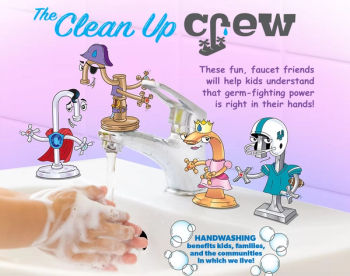
Each year norovirus and the winter flu grab the headlines, with particular attention paid to their effects on hospitals and healthcare facilities as wards are forced to close and patients kept waiting. Annual campaigns highlight the need to wash hands and to avoid visiting hospitals if ill, advice which is often ignored by the public who simply do not understand the importance of good hand hygiene. Consequently infection rates remain high in winter months and hospitals are stretched to cope with the demand for beds.
Earlier this year the National Institute for Health and Care Excellence (NICE) issued "quality standards" on measures including hand hygiene after they found that 1 in 16 patients in NHS hospitals fell ill with an infection.[1] Findings from the NPSA also found that a 9 percent reduction in infection rates as a result of improved hand hygiene could save the NHS £140 million per annum and, most importantly, 450 lives.[2. Is it time to focus on enforcing hand hygiene compliance rather than simply encouraging it through posters and campaigns?
The Pure Hold Hygiene Handle does just this – it ensures users sanitize their hands as they open the door. Independent laboratory testing[3] and field trials have proven that the Hygiene Handles are 98.5 percent cleaner than a standard door handle and users of the system that were tested at Queen Alexandra Hospital In Portsmouth were shown to achieve 87.5 percent cleaner hands than those that didn’t use the system.4] The gel is highly effective and has been proven to kill murine norovirus and achieve similar results to handwashing. This is why NHS trusts in Leeds and London have taken further steps to maintain patient safety by implementing additional Pure Hold Hygiene Handles across wards.
The Leeds Teaching Hospitals NHS Trust and the University Hospitals Lewisham NHS Trust in South East London have handles installed across a number of sites, including in sensitive areas such as neonatal intensive care units (NICU) and various intensive care units (ICUs). The University Hospitals Lewisham NHS Trust is also looking to expand their hand hygiene campaign for this year by installing additional Pure Hold Hygiene Handles. Another NHS trust, University College London Hospitals, has handles installed across all wards.
References:
1. The Guardian -
2. cleanyourhands campaign research - provided by: National Patient Safety Agency
3. Wickham Laboratories CN00158233 Pure Hold FINAL Efficacy Report
4. Wickham Laboratories ASSESSMENT OF CONTAMINATION AND EFFECTIVENESS OF HYGIENE HANDLE; PRE-PRODUCTION PROTOTYPE IN USE Report