|Articles|May 3, 2007

TFAH Calls for Stockpiling of Masks to Meet Medical Requirements to Prepare for the Threat of Pandemic Flu

WASHINGTON, D.C. The Trust for America's Health (TFAH) says supports the interim guidance issued today by the Centers for Disease Control and Prevention (CDC) concerning standards for use of masks and respirators in the event of a pandemic flu outbreak. Masks and N95 respirator masks are important elements of a multi-pronged approach to containing a potential pandemic that also includes use of vaccines, antiviral medication, and hygiene. TFAH points out, however, that the U.S. stockpile of masks and respirators falls far short of the amounts that would be required to meet the levels needed for recommended use.

TFAH says that to reach recommended levels of capacity, especially for N95 respirator masks, production would have to be significantly increased. Funds must be directed to producing, purchasing and stockpiling the equipment.

"We shouldn't gamble with the health of Americans. The medical experts say we should be stockpiling masks and N95 respirators to protect our healthcare workers and to prevent the spread of a pandemic virus," said Jeff Levi, PhD, executive director of TFAH. "Just as the country has made an investment to increase production capacity and stockpiles of vaccines and anti-virals, we must do the same for respirators and masks."

TFAH also notes special attention must be paid to protecting children, as currently produced N-95 respirator masks are not manufactured to protect children. TFAH notes that the CDC has pointed out that children can be more susceptible than adults to infection, and compared to adults, children usually shed more influenza virus and for a longer period of time.

Source: Trust for America's Health


Related to this article

A brightly lit Hospital operating room, a surgical team wearing gowns and masks.  (Adobe Stock 1790696595 by Damian)
Turnover pressure can leave critical OR cleaning steps unfinished. Karen deKay, MSN, RN, EBP-C, CNOR, CIC, FAPIC, examines common gaps in environmental hygiene and how shared responsibilities, attention to disinfectant contact time, and ongoing education can help teams strengthen practices between cases.
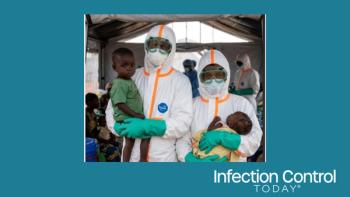
Infection preventionists in full PPE with children in DRC.  (Image credit: author with AI)
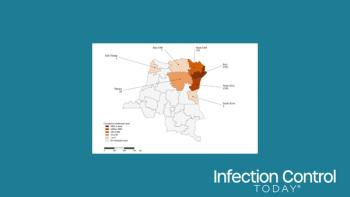
Nearly 4 months into the DRC's Bundibugyo virus disease outbreak, some indicators suggest transmission may be slowing. But shifting hotspots, treatment-center capacity problems, community deaths, and incomplete surveillance data show why national case totals alone cannot determine whether containment has been achieved.
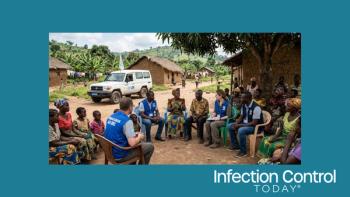
Health care workers from the US speaking with other health care workers in DRC.  (Image credit: author with AI)
Is the Ebola outbreak in the DRC getting better? The answer depends on which numbers you examine. Several important indicators are moving in the right direction, including slower case growth and a declining Rₜ. But major gaps remain in contact tracing, testing, community deaths, safe burial coverage, and treatment capacity in some of the hardest-hit areas. ICT takes a deeper look at the latest outbreak data and why the numbers suggest cautious optimism, not victory.