

Environmental Services
Latest News

Advertisement
Advertisement
For the first time in 60 years, a tropical bed bug has been confirmed in Florida, and University of Florida Institute of Food and Agricultural Sciences researchers urge the public to send them samples of suspected bed bugs for identification.
With flu season around the corner and the latest Hospital Consumer Assessment of Healthcare Providers and Systems (HCAHPS) deadline just passed, now seems the ideal time to explore the issue of cleanliness, the topic of Question 8 of that quarterly survey. Almost every aspect of the healthcare environment involves decontamination. After all, a hospital is the last place where germs should flourish and spread. And these days, with the HCAHPS reporting mandate in place, the subject of cleanliness – and the poll’s other questions as well – has become even more important. Patients’ responses to HCAHPS influence a hospital’s reputation and finances. Therefore, as fall and winter bring bouts of flu cases and facilities aim to stay at the top of their survey scores, some pointers on cleanliness principles and procedures may be what the doctor ordered.
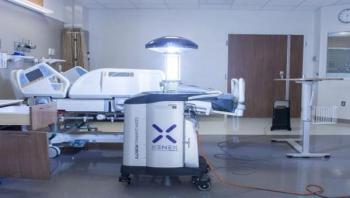
During the trial and evaluation of a UV device for surface disinfection, healthcare professionals' due diligence must span a wide range of considerations. For example, any new device being considered for purchase and implementation in a healthcare organization should be evaluated for its cost effectiveness; healthcare professionals must investigate whether the technology has demonstrated a reduction in infection rates that justifies the cost associated with the purchase and maintenance of the device. Evaluators must identify the ongoing costs involved in the use, education and training for clinical products and equipment. In choosing advanced technologies, the length of treatment time is a key factor that should be considered when purchasing capital equipment, due to the potential economic impact in terms of staffing and labor costs in-volved.

A new clinical study published in the American Journal of Infection Control confirms copper’s ability to continuously kill harmful bacteria in hospital settings. Grinnell College associate professor of biology Shannon Hinsa-Leasure, PhD, and her team conducted research over 18 months at Grinnell College and Grinnell Regional Medical Center (GRMC) in Iowa with more than 1,500 samples. The research found significantly fewer bacteria on copper alloy products such as grab bars, toilet flush valves, IV poles, switches, keyboards, sinks and dispensers than on traditional hospital room surfaces. In this case, products used in the study were made from CuVerro® copper alloys, one of several EPA-registered brands of antimicrobial copper materials.
Proper Use Makes Spray Cleaner-Disinfectants an Effective Weapon in the Surface Disinfection Arsenal
This report addresses issues relating to the use of spray cleaner-disinfectants and the importance of using the right product for any cleaning and disinfection task.

Advertisement
Advertisement
Trending on Infection Control Today
1
How Purposeful Infection Prevention Rounding Supports Patient Safety and EVS Collaboration
2
UPMC’s Genomic Surveillance Award Opens the Door to Funding Conversations
3
Proposed AHRQ Cut Raises Questions About Infection Prevention Research and Support
4
The Clean Bite: Making Dental Infection Control Part of Every Day
5