
Environmental Services

Latest News


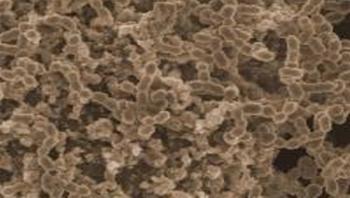
Numerous scientific studies have concluded that two common bacteria that cause colds, ear infections, strep throat and more serious infections cannot live for long outside the human body. So conventional wisdom has long held that these bacteria won't linger on inanimate objects like furniture, dishes or toys. But University at Buffalo research published today in Infection and Immunity shows that Streptococcus pneumoniae and Streptococcus pyogenes do persist on surfaces for far longer than has been appreciated. The findings suggest that additional precautions may be necessary to prevent infections, especially in settings such as schools, daycare centers and hospitals.
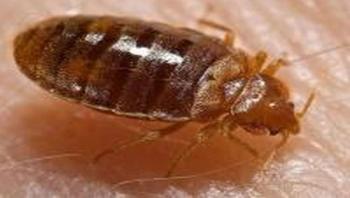
Exposing bed bug-infested clothing or other small items to freezing temperatures may be a viable control option for people at risk of bed bug infestations. However, a new study has found that bed bugs may be less susceptible to freezing temperatures than previously reported.

While nearly half of the surfaces in healthcare facilities are soft surfaces, such as privacy curtains, soft surface decontamination is often overlooked in todays fast-paced healthcare environment. Studies have shown that just as on hard, nonporous surfaces, bacteria, viruses, and fungi can all thrive on soft surfaces for extended periods of time and contribute to the transmission of microorganisms.

Multiple sclerosis (MS) causes progressive paralysis by destroying nerve cells and the spinal cord. It interrupts vision, balance and even thinking. On a suggestion from a colleague, Jeri-Anne Lyons decided to test how the disease responded to a radical therapy exposure to a certain wavelength of light called near-infrared (NIR).